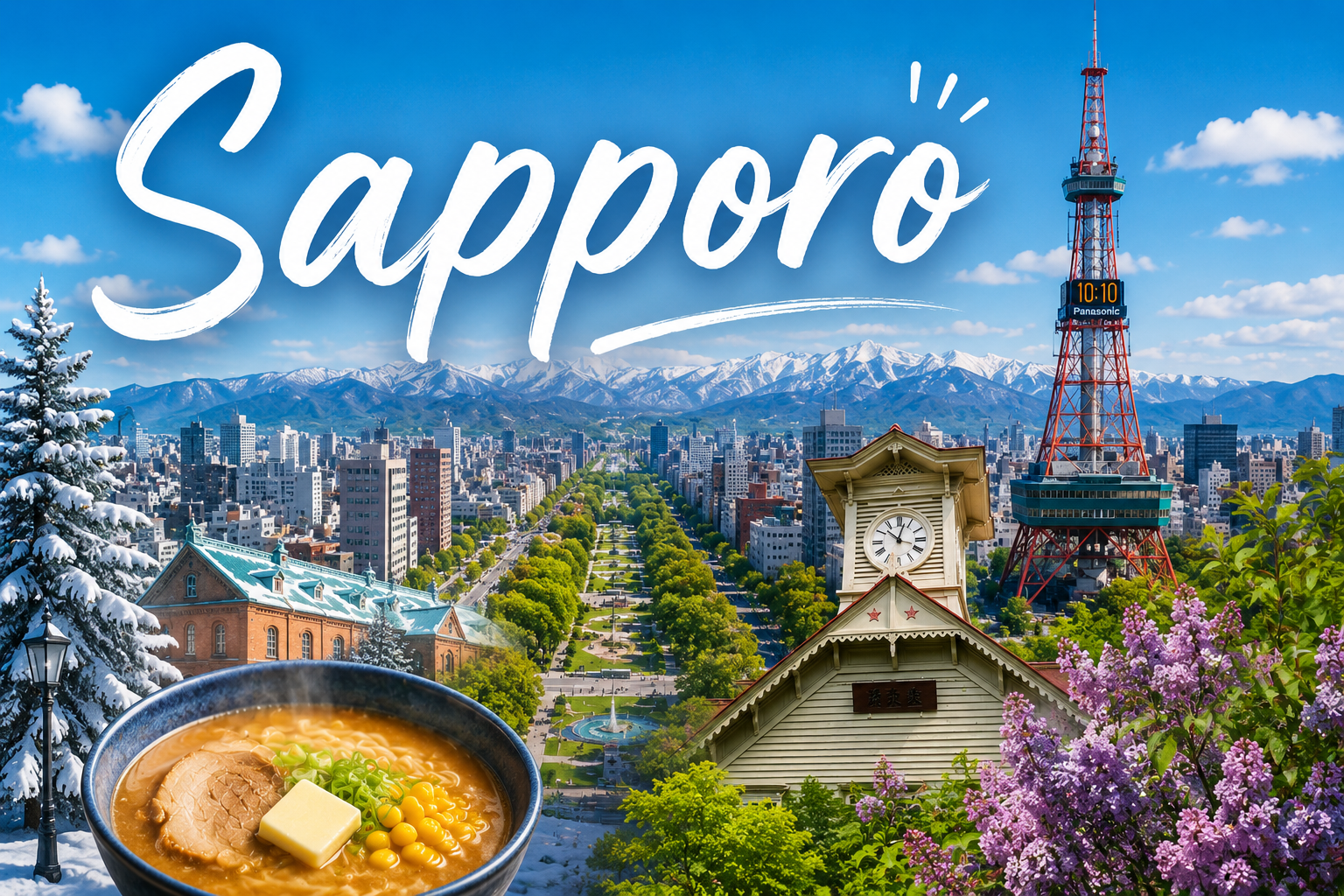
Hi there! I’m Local Ren, and I’ve lived in Sapporo for more than 30 years.
When someone asks me, “I want to travel to Japan, but where should I go?” Sapporo is usually my first recommendation.
But if you don’t know much about the city yet, you may be wondering:
- “Isn’t Sapporo mostly just nature?”
- “I know the food is supposed to be great, but what else is there to do?”
- “Tokyo and Osaka are much bigger. What makes Sapporo different?”
Those are fair questions—and this is where my experience as a local can help.
Sapporo is about much more than famous sights and good food. Within about an hour of downtown areas such as Susukino, you can reach places surrounded by nature, including Jozankei and Sapporo Satoland. The city also hosts major seasonal events such as the Sapporo Snow Festival, the Sapporo Autumn Fest, and the YOSAKOI Soran Festival. You can explore Japanese pop culture at anime shops and maid cafés, too.
And of course, there is the food: affordable seafood, ramen, soup curry, jingisukan (Hokkaido-style grilled lamb or mutton), and plenty more.
Food, shopping, pop culture, and time to slow down in nature—you can combine them without turning your trip into an exhausting race from one place to the next. That flexibility is one of the biggest reasons I recommend Sapporo with confidence.
In this article, I’ll explain why Sapporo may deserve a place on your Japan itinerary, from the perspective of someone who actually lives here. I hope it helps you decide whether Sapporo is the right destination for you.
- You Can Enjoy Both City Life and Nature
- Sapporo Brings Together Food from Across Hokkaido
- Every Season Feels Different
- It Is Easy to Plan a Trip Without a Car
- Sapporo Is Also a Place to Explore Japanese Culture
- I Won’t Pretend Sapporo Is Perfect
- Conclusion: You Can Shape a Sapporo Trip Around Your Own Interests
You Can Enjoy Both City Life and Nature
Sapporo is Hokkaido’s largest city, and getting around by subway, train, or bus is relatively easy. At the same time, mountains, forests, and spacious parks are never far away.
In many large cities, trying to fit shopping, sightseeing, nature, and a relaxing hot-spring visit into one trip can leave you with a very tight schedule. In Sapporo, it is much easier to enjoy the city, discover Japanese culture, and spend time in nature without rushing quite so much.
You do not always have to choose between “city” and “nature” here. You can stay at a hotel downtown, enjoy the restaurants and nightlife of Susukino, and still make time for scenery that feels unmistakably Hokkaido.
For example, Sapporo Satoland—a large agricultural park where you can enjoy open space and seasonal activities—is about a 30-minute drive from Sapporo Station.
A Relaxing Side Trip to Jozankei Onsen
If you are staying for several days, I recommend spending one of them relaxing in Jozankei, a hot-spring town surrounded by mountains. It takes about an hour to get there by car from Sapporo Station.
Jozankei has everything from reasonably priced hotels to luxurious ryokan. If your budget allows, staying at a high-end ryokan is an experience worth trying at least once.
Hospitality in Japan is generally excellent, but a good onsen ryokan can feel especially attentive. This spirit of thoughtful Japanese hospitality is often called omotenashi. My family and I visit Jozankei every few months, so this is not just a tourist recommendation—it is one of our own regular escapes from the city.
The scenery changes with the seasons. In winter, the town is covered in snow. Around late April and early May, colorful koinobori carp streamers are often displayed across the river. If your timing is right, you can enjoy Japanese culture surrounded by fresh spring scenery.
Sapporo Brings Together Food from Across Hokkaido
Let’s be honest: food is one of the best reasons to visit Sapporo.
The city brings together many of Hokkaido’s most famous foods, including sushi, seafood, ramen, soup curry, jingisukan, and sweets.
“But shouldn’t I go to the place where each specialty comes from?” you may ask.
That is certainly one good way to travel. Hokkaido has regions famous for shrimp, oysters, crab, wagyu beef, and many other foods, and visiting those areas can be a wonderful experience.
However, thanks to modern distribution networks, seafood, meat, and other ingredients from across Hokkaido arrive in Sapporo while they are still fresh. As the prefecture’s main city, Sapporo gives you access to an impressive range of Hokkaido specialties in one place.
Here is a fact that surprises some visitors: Sapporo itself is not on the coast. The sushi and seafood bowls everyone comes for are made with seafood transported into the city.
Famous Restaurants Are Not Your Only Option
Variety is not the only strength of Sapporo’s food scene.
When you picture eating in Sapporo, you may think first of restaurants that are popular with tourists. Some are excellent, of course. But as in many destinations, locals do not always line up at the busiest tourist spots. Prices can be higher, and the wait can be long.
Meanwhile, the casual diners, local chains, and izakaya that residents use in everyday life can be both affordable and delicious.
I still remember a restaurant that a local taxi driver recommended to me during a trip to Southeast Asia. It was inexpensive, the food was fantastic, and it gave me a much more genuine sense of the local culture. The recommendation did cost me a tip—but it was worth it!
Eating an extravagant, photogenic seafood bowl at a famous market can be fun. So can visiting an affordable local restaurant that most tourists have never heard of. Sapporo gives you plenty of choices for different budgets and travel styles.
You may be thinking, “But what if I don’t speak Japanese or know how to order at a local restaurant?” That is exactly the kind of worry I want this blog to help you solve before your trip.
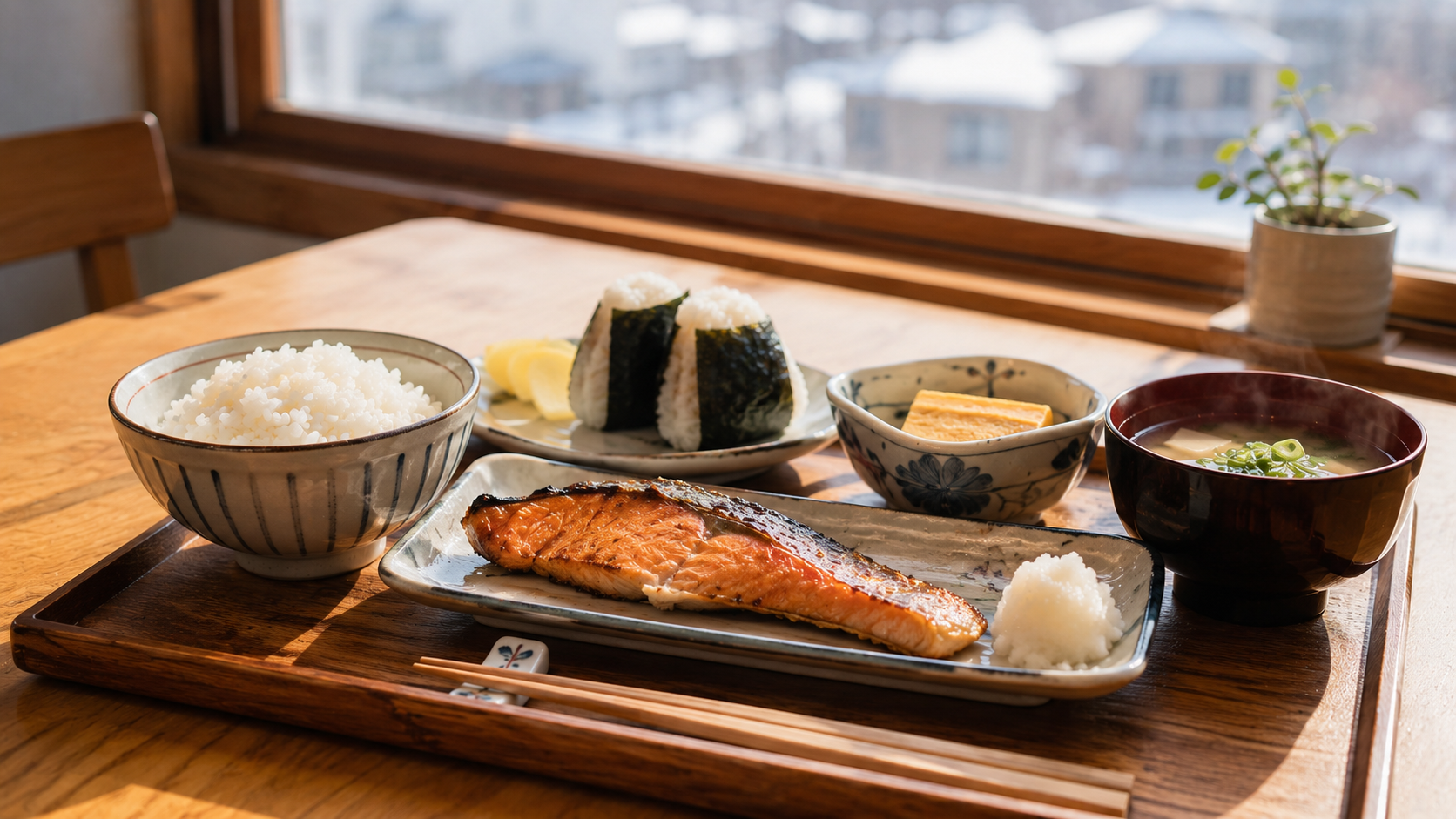
Once you know what to expect, you could have ramen at a neighborhood favorite for lunch, visit a casual izakaya in the evening, enjoy breakfast at your hotel the next morning, and then find a seafood place that locals actually use. That is my kind of Sapporo food itinerary.
Looking for a good breakfast in Sapporo? Check out my favorite breakfast spots in Sapporo.
Every Season Feels Different
Japan is famous for its four seasons, and Sapporo shows each of them clearly. The city has a population of nearly two million and receives more than five meters of snow in an average year—a rare combination for a major city.
The Sapporo Snow Festival is the city’s best-known winter event. Even if your trip does not overlap with the festival, however, the sheer amount of snow in midwinter may be an attraction in itself.
Summer is generally cooler than in much of Japan, although Hokkaido has also had plenty of genuinely hot summer days in recent years. Fortunately, soft-serve ice cream made with Hokkaido milk tastes even better on a hot day.
In summer, Odori Park has fountains, flower beds, lawns where you can relax, and stalls selling corn. In winter, the same park becomes the main venue for the Snow Festival.
Being able to experience such distinct seasons right in the heart of the city is one of Sapporo’s greatest charms—and one reason people often want to return at a different time of year.
It Is Easy to Plan a Trip Without a Car
A rental car is useful if you want to explore Hokkaido widely. If your trip is focused mainly on Sapporo, however, the subway, streetcar, and bus networks make it fairly easy and affordable to get around. Add the occasional taxi, and you can visit many places in the city without driving.
Driving in winter requires extra caution. Snow piled along the sides of the road can seriously reduce visibility, making pedestrians and other vehicles harder to see. Studded tires are prohibited in most situations in Japan, so drivers use studless winter tires—and handling an icy road safely still takes experience.
During very heavy snow, snow-clearing crews may struggle to keep up and major traffic jams can develop. Be especially careful on days when expressways are closed. Taxis can also be difficult to find during a snowstorm, so leave plenty of extra time if your plan depends on them.
A Useful Contactless-Payment Feature on the Subway
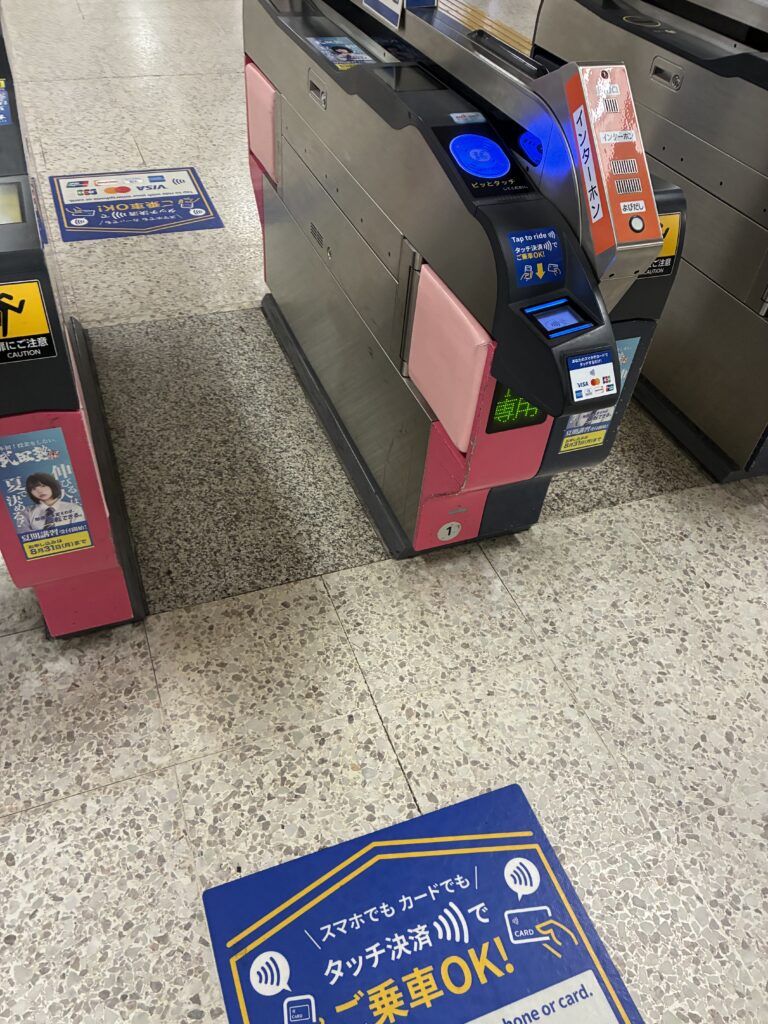
In addition to buying a ticket from a machine, you can ride the Sapporo Municipal Subway by tapping a supported contactless credit, debit, or prepaid card—or a compatible device—at the fare gate.
This daily fare-capping service has been available since April 2026. The adult subway fare is capped at ¥830 on weekdays and ¥520 on weekends, public holidays, and the year-end/New Year period. Once your eligible subway rides reach the cap, you will not be charged for additional subway rides that day. For full and up-to-date details, please check the Sapporo City Transportation Bureau’s official information (Japanese).
If you are not comfortable driving on snowy roads, feel nervous about driving abroad, or do not have a license, exploring Sapporo by public transportation is a very practical choice.
This is very convenient if you plan to use the subway several times because you do not need to buy a separate day pass in advance. However, the cap applies only to the municipal subway, not to other transport services. You must also use the same card or device throughout the day, and contactless payment is charged at the adult fare. Look for a fare gate marked for contactless payment, as not every gate supports it.
Choose a hotel near a convenient transport hub such as Sapporo Station, Odori, or Susukino, and it will be much easier to combine restaurants, shopping, and major sights in one itinerary.
Sapporo Is Also a Place to Explore Japanese Culture
Many visitors go to the Sapporo Clock Tower, Odori Park, and Susukino. These are classic Sapporo sights, and they are worth seeing. But as a local, I do not think the city’s appeal ends with its famous landmarks.
You can browse shops selling anime merchandise or experience pop-culture venues such as maid cafés. Even an ordinary supermarket or a local convenience-store chain can introduce you to products and food culture that are unique to Japan or Hokkaido.
You do not have to fill every hour of your trip with major attractions. Walk around, step into a shop that catches your eye, look at what local people buy, and take a slow break when you get tired. Those ordinary moments can also teach you something about life in Japan.
Enjoy the famous sights—but leave a little time to wander and discover your own version of Sapporo, too.
I Won’t Pretend Sapporo Is Perfect
Travel guides naturally tend to focus on the good parts of a destination.
Real trips are more complicated. You may face crowds, unexpected prices, slippery roads, unfamiliar restaurant systems, unspoken local customs, language barriers, or longer travel times than you expected. That can happen anywhere, and Sapporo is no exception.
On this blog, I want to share not only what makes Sapporo wonderful, but also the things that can confuse travelers, the experiences that may not live up to the hype, and the practical details worth knowing in advance.
There is a difference between a famous restaurant designed for visitors and a place locals use every week. Some restaurants are easy to visit without Japanese, while others are much easier once you understand the system. There are times when saving money makes sense—and times when choosing the cheapest option may not be worth it.
It may sound paradoxical, but learning about a destination’s inconveniences and unwritten rules can make your trip more comfortable, more confident, and ultimately more enjoyable.
Conclusion: You Can Shape a Sapporo Trip Around Your Own Interests
Compared with Kyoto or Tokyo, Sapporo is a relatively young city. You will not find the same concentration of internationally famous historic landmarks. Outside Sapporo, Upopoy—the National Ainu Museum and Park in Shiraoi—offers an opportunity to learn about Ainu history and culture. It takes about 65 minutes by limited express train from Sapporo Station, followed by a short walk from Shiraoi Station. But Upopoy is a museum and cultural park, not the kind of centuries-old landmark you might associate with Kinkaku-ji in Kyoto or Asakusa in Tokyo. Even the Sapporo Clock Tower, one of the city’s best-known historic buildings, dates only to 1878.
What Sapporo does offer is the chance to combine Hokkaido food, urban convenience, seasonal scenery, nearby nature, and everyday local life in a single trip. Instead of building your visit around just one must-see attraction, you can create a trip from many different experiences.
If you want to visit Hokkaido but are not sure which city to choose—or if you want both food and nature without making your schedule too intense—Sapporo is a strong option.
Take a look through the other articles on this blog and decide whether Sapporo feels right for your trip.
コメント